
I know this sounds too good to be true, but it is: The Washington Department of Fish and Wildlife plans to stock some 4.2 million salmon in one lake this year alone.
But is there a catch? Isn’t there always?
Here’s the story.
WDFW operates a kokanee salmon hatchery at Lake Whatcom near Bellingham. From there, hatchery officials rear juvenile kokanee for release in various state waters but also are planning to let more than 4 million of them go into the lake during March and April, 2026.
While other lakes around the state receive truckloads of these infant salmon from the hatchery, none of them gets close to the millions sent directly into this 5,000-acre lake in northwestern Washington.
Lake Whatcom’s own kokanee population sustains the hatchery here, and the eggs and young fry produced there are stocked in more than half of Washington’s hatchery-supported kokanee fisheries.
In fact, no lake anywhere in the state (or most states in the country, for that matter) get stocked with as many fish of ANY kind as Lake Whatcom.
But the other truth of the matter is that while Lake Whatcom made our list of the best kokanee fisheries in Washington state, it’s not THAT good because most of those baby salmon don’t survive long enough to grab anglers’ lures. Some of the other lakes on that linked list are often better bets in a given year.
Kokanee are genetically sockeye salmon but they spend their entire lives in freshwater, rather than going to the ocean to fatten up and then returning to their native streams to spawn. They are native to Lake Whatcom but introduced to many other waters to provide fishing opportunities at a time when some ocean-going salmon runs are declining.
Kokanee fry that survive will typically reach a nice keeper size in two or three years, so this year’s Lake Whatcom fishery relies on the plantings of several years ago.
Like their sockeye brothers and sisters, kokanee are, without a doubt, one of the tastiest of all five salmon species that swim in Evergreen State waters. The only downside, if you will, is that they typically don’t get much larger than a typical trout.
I like to pan-sear these pan-sized salmon in a bit of oil and light seasoning. Or slapping them on a cedar plant on the barbecue grill. Or brining them and laying them out in the smoker. Honestly, take your favorite recipe for salmon or trout, substitute kokanee, and you are in for a real treat.
Catching kokanee isn’t always easy, and to be realistic, it typically requires a boat. The popular tactic is trolling small, colorful lures behind an attractor to activate these aggressive fish.
Some kokanee catchers also have very good luck using heavy but brightly painted jigs into schools of kokanee, which they’ve pinpointed with electronics.
Bait fishing can occasionally do the trick as well, given the right conditions.
I’ve dropped a link below to a more comprehensive (but still easy to follow) guide to catching kokanee, including the best lures and techniques.
Kokanee thrive in larger, deep, cold lakes and reservoirs like Lake Whatcom. They might be found fairly shallow during cold and cool months, but by mid-summer you are most like to locate them far below the surface.
Some of the other lakes on our statewide kokanee fishing guide that also are stocked with huge numbers of kokanee include American Lake near Tacoma and Kachess Lake in Central Washington’s Kittitas County. I like Lake Merwin (Merwin Reservoir) in Southwest Washington, where the kokanee are stocked a little larger for better survival and the fishing can be very good.
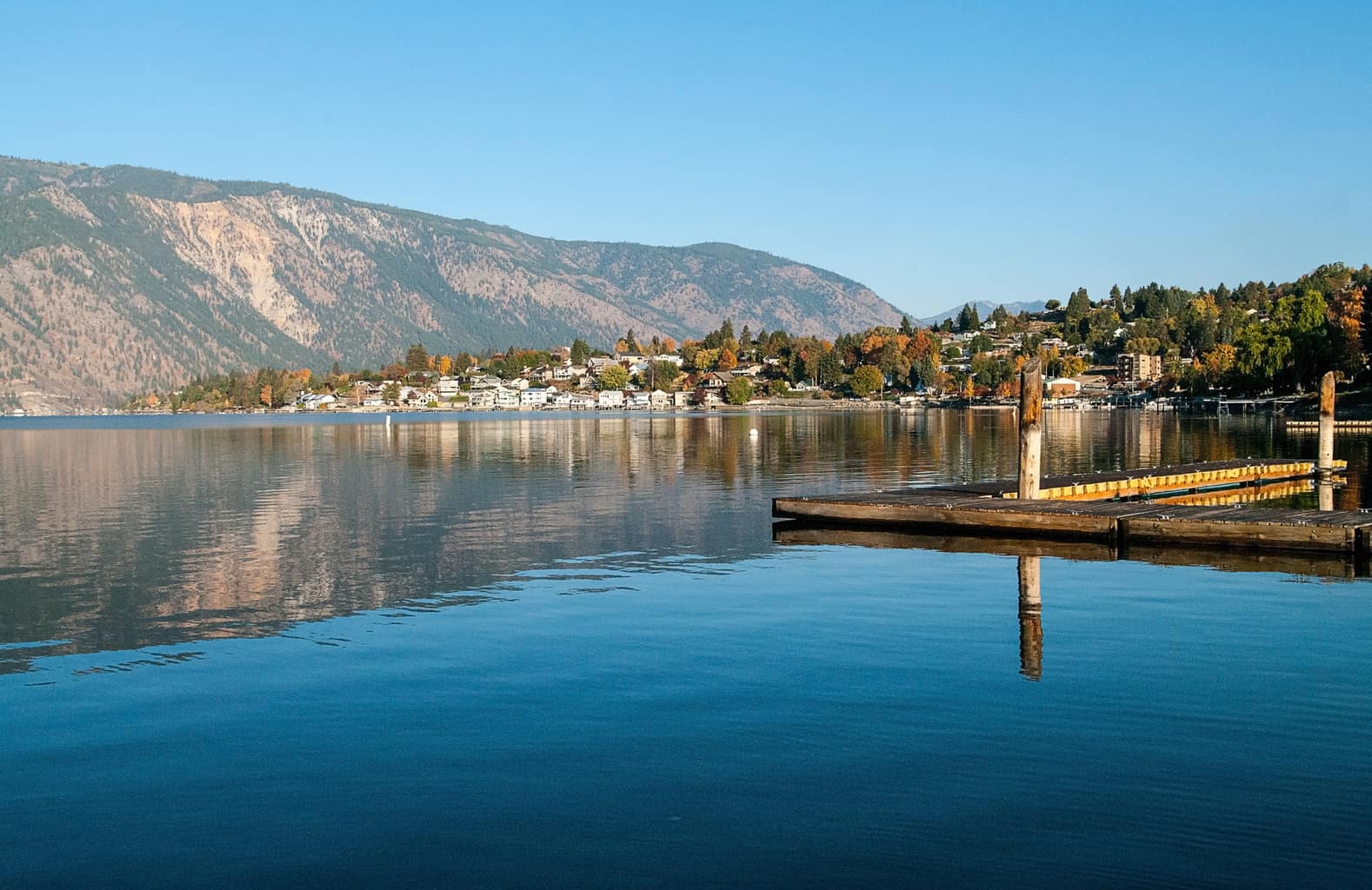
Stocking isn’t the only story when it comes to kokanee. Other kokanee fisheries across Washington, including legendary spots like Lake Chelan and Lake Roosevelt, maintain incredible kokanee fishing thanks to natural spawning.
The following linked articles on our Best Fishing in America website offer additional information to help you catch more kokanee in Washington or wherever you fish for them.
The Best Kokanee Fishing Lakes in Washington
Your How-To Guide to Kokanee Fishing
Complete Guide to Fishing in Lake Whatcom (hint: this is also quite a good bass lake)
We gathered Whatcom’s stocking plan from the WDFW’s 2026 Statewide Trout and Kokanee Stocking Plan.